Table of Contents
- Introduction
- Why Badge Design Still Matters
- Creative Shapes and Bold Finishes
- Material Choices That Elevate Perception
- Design Tips to Match Your Brand
- Key Takeaways
- FAQs
In a competitive space, whether you’re running a business, school, NGO or event, it’s the small details that make your brand stick. A custom-designed lapel badge is one of those details: simple, affordable, but when done right, it creates a strong visual hook and lasting impression.
At Topline Manufacturers, we’ve seen how shape, material, and creative design choices can completely elevate a badge, and with it, the brand behind it.
Why Badge Design Still Matters
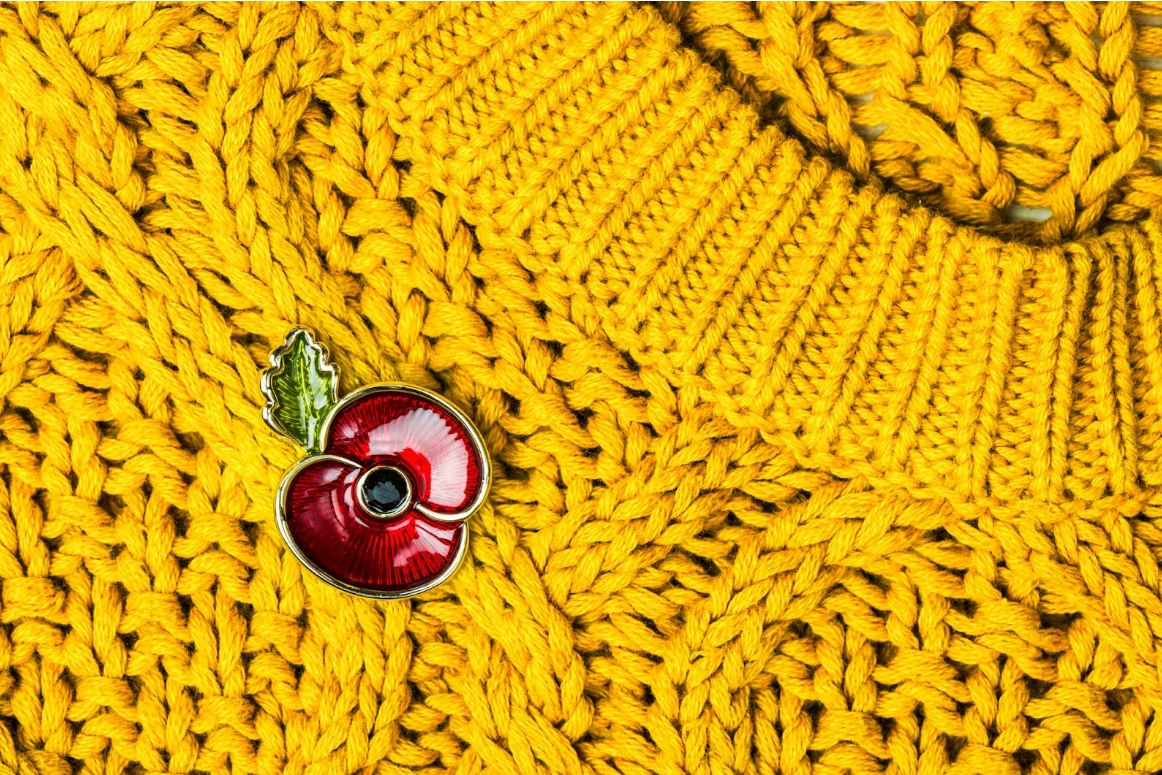
Lapel badges aren’t just functional ID tags or token keepsakes, they’re micro-branding tools. Whether worn on a staff blazer, handed out at an event, or displayed proudly by students, a distinctive badge turns into a moving piece of brand visibility.
When the design is flat, forgettable or generic, it blends in. But when the badge reflects your brand’s identity, in shape, colour, finish or texture, it stands out. That’s where your edge comes in.
Creative Shapes and Bold Finishes
Standard circles and rectangles are great, but if you really want to stand out, consider die-cutting your badges into shapes that reflect your logo, product, or personality.
Some creative options we’ve produced include:
- Shield shapes for schools or government departments
- Die-cut logos for corporate clients
- Iconic objects (e.g. stars, hearts, puzzle pieces) for awareness campaigns
- 3D-embossed badges with layered metal finishes
- Glow-in-the-dark or enamel-filled accents
We also offer metallic edge finishes, epoxy doming, antique effects, and other techniques that make badges pop visually and tactilely.
Material Choices That Elevate Perception
A badge’s look and feel often comes down to the material used. Choosing the right one can say a lot about your brand, whether you want to signal tradition, prestige, fun, or durability.
We offer:
- Die-cast metal – great for high-end, durable designs
- Soft enamel – perfect for colour-rich, tactile pieces
- Printed resin domes – vibrant, full-colour finishes
- Gold-plated/antique brass finishes – add weight and prestige
- Eco-resin and lightweight options – better for large-volume events or environmentally-conscious brands
Material choice should match your brand tone: schools might go for clean metallics, while a fun awareness campaign might suit bold colour enamel.
Design Tips to Match Your Brand
A lapel badge might be small, but it carries the weight of your brand identity, especially when worn on uniforms, at events, or handed out to the public. Here are a few ways to make sure your design works hard for you:
Use Your Logo Creatively
Avoid just shrinking your logo into a tiny badge. Instead, think about how elements of it (like an icon or initials) can be adapted into a clean, bold layout that still feels instantly recognisable.
Be Intentional with Colour
Stick to your brand palette, but consider high-contrast combinations so the badge pops, especially when viewed at a distance or worn on dark fabric. Enamel colour fills can make even the smallest details stand out.
Use Shape as a Branding Cue
Your badge shape doesn’t have to be generic. If your logo features a flame, leaf, gear or shield , you can use that as the overall silhouette of the badge itself. Unique outlines stand out much more than standard circles or squares.
Think About Context and Longevity
Is this badge meant to be worn daily on a school blazer? Or is it for a once-off event or awareness campaign? More permanent use calls for clean finishes and subtle elegance, while campaign or collector badges can afford to be bold and playful.
Add Visual Hierarchy and Texture
You can incorporate layered effects like raised metal, embossed features, or textured backgrounds to create depth, useful if you’re distinguishing between departments, seniority levels, or campaign types.
Don’t Forget the Fastening
Choose from pins, magnets, or clips depending on where and how the badge will be worn. Magnetic fasteners work well on corporate wear to avoid fabric damage, while traditional pins are great for school and sports use.
And if you’re unsure where to start, we can help translate your ideas into a final artwork and recommend the most appropriate materials and techniques based on your budget and purpose.
Key Takeaways
- Badge design is more than decoration; it’s brand identity, in miniature
- Creative shapes and finishes make badges memorable
- Materials influence how your badge (and brand) is perceived
- Smart design reinforces professionalism, attention to detail, and trust
- A small design upgrade can separate you from competitors at first glance
Frequently Asked Questions (FAQs)
- Can we customise the shape of our lapel badge?
Yes, we offer full die-cut custom shapes, from shields to custom icons. Our lapel badge page has examples. - Which materials do you recommend for premium-looking badges?
For prestige, die-cast metal with antique or gold plating creates a timeless, high-quality finish. - Can you match our brand colours exactly?
Yes, we match Pantone colours and provide digital proofs before production to ensure accuracy. - How big should a lapel badge be?
Most badges fall between 20–35mm, but we’ll recommend a size based on your design and visibility goals. - How long does it take to manufacture a custom badge?
Our usual turnaround is 10–15 working days from artwork approval. For large volumes or complex designs, we’ll confirm timelines upfront.
We’ll custom-make your order, no matter how small or large